Recycle 80–150g of sourdough starter into 4 homemade desserts
Natural sourdough isn't just for making bread rise. In a molten cake, a loaf cake, or an apple cake, it provides a softness and aromatic complexity that no baking powder can truly replicate, and above all, it allows you to recycle the surplus that too often gets thrown away. Four desserts are particularly well-suited for this: chocolate molten cake, moist loaf cake, apple cake, and small snack-sized bites.
In brief:
- Use 50 to 150 g of sourdough depending on the recipe to avoid an overly acidic taste or undesirable texture.
- A sourdough starter with declining activity, nearly dormant, is sufficient for baking without the risk of excessive flavor or surprises.
- The optimal storage for sourdough for baking consists of refreshing it once a week in the refrigerator and using it at room temperature.
- Sourdough desserts keep for 2 to 3 days at room temperature or up to three months frozen in individual portions.
- Starting with a chocolate molten cake is recommended to discover sourdough baking, due to its error tolerance and simplicity.
Table of contents
- Detailed sourdough dessert recipes to try today
- How much sourdough to use and in what form?
- Flavor variations, substitutions, and storage
- The sourdough panettone experience, transposed to homemade desserts
- Properly preparing and maintaining your sourdough for baking
- Food safety and proper storage of sourdough desserts
- What I learned from baking regularly with sourdough
- Want to enjoy sourdough without using the oven?
- Sources
Detailed sourdough dessert recipes to try today
Each of these recipes uses the role of natural sourdough as a texture and flavor enhancer rather than a leavening agent. This is what changes everything: you aren't trying to make the dough rise; you are looking to flavor and moisten it.
1. Sourdough Chocolate Molten Cake
This dessert is probably the most spectacular for converting a skeptic. For six servings, mix 200 g of melted dark chocolate, 150 g of butter, 150 g of sugar, 3 eggs, 80 g of flour, and 150 g of sourdough discard. The addition of sourdough makes the texture denser and more molten, almost runny in the center. The method remains simple: melt the chocolate and butter, incorporate the eggs and sugar, then add the flour and sourdough last, without overworking the dough. Count on a baking time adapted to the depth of the pan, as a shallow pan bakes faster and more evenly.
2. Moist Sourdough Loaf Cake
The loaf cake lends itself to all variations: mashed banana, chocolate chips, citrus zest. The base remains the same: a quantity of flour, sugar, eggs, neutral oil, sourdough discard, and a leavening agent like baking soda or baking powder to speed up the rise. Unlike bread, we are not looking for a long fermentation here. This supplement allows for a well-risen cake without waiting several hours, while maintaining the characteristic taste of sourdough. Baking: about a good forty minutes at a moderate temperature in a classic loaf pan.
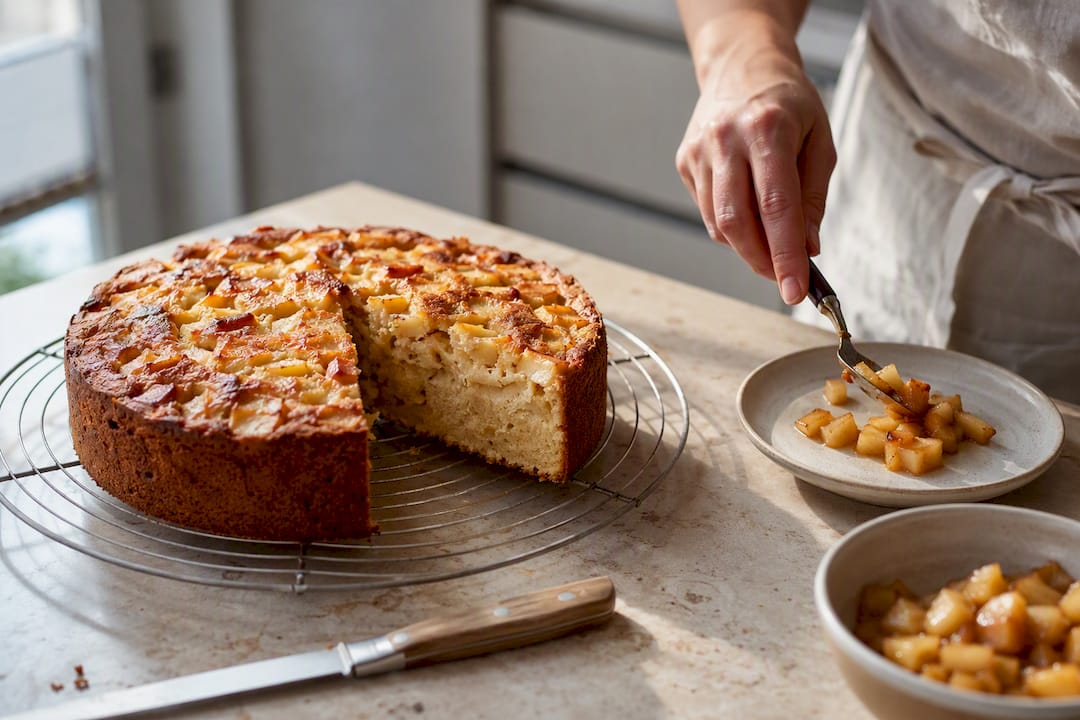
3. Moist Apple Cake, Zero-Waste
This is the best recipe for emptying a jar of sourdough forgotten at the back of the fridge. Grate or cut apples into small cubes, add them to a dough composed of flour, whole sugar or honey, eggs, oil, and sourdough discard. The slight acidity of the sourdough enhances the apple flavor without masking it, much like lemon juice does in a fruit tart. Baking: about forty minutes at a moderate temperature in static heat, with the time varying depending on the size of the pan and the amount of apples.
4. Sourdough Bites and Muffins for Snacks
When the surplus is too small for a whole cake, small individual portions remain the best zero-waste strategy. Muffins, pancakes, or small bites allow you to use a small amount of sourdough at a time, without waiting to accumulate more.
- Sourdough pancakes: mix the sourdough discard with milk, an egg, and a bit of flour, cook in a pan like classic pancakes.
- Savory or sweet muffins: incorporate 60 g of sourdough into a standard muffin batter, adjusting the flour accordingly.
- Financier-style bites: replace a portion of the melted butter with sourdough for a moister texture.
These three formats can be frozen individually, making it a practical solution for households that refresh their sourdough regularly.
How much sourdough to use and in what form?
The amount of sourdough to integrate depends primarily on the type of dessert intended, not a single rule. Here is what works in practice:
- Molten cakes and dense cakes: 100 to 150 g of sourdough discard, as the extra moisture reinforces the desired molten texture.
- Loaf cakes and muffins: 60 to 120 g, supplementing if necessary with baking soda or baking powder for the rise.
- Bites and pancakes: 50 to 80 g, adapted to the small quantities recovered after a refresh.
The state of the sourdough matters less than one might think. A sourdough in declining activity, nearly dormant, is very suitable for baking: it does not need to be at its peak like for bread. This also avoids the risk of an overly acidic taste, which can happen with a sourdough that is too ripe or too warm during fermentation.
Pro tip: If your sourdough has a very acidic or vinegary smell, use it instead in a dessert with chocolate or tangy fruits: the acidity integrates naturally, whereas it would stand out too much in a plain cake.
For whole grain or ancient flours, a simple technique improves the texture: incorporate the fat into the dry ingredients before adding the liquids. This coats the starch grains and limits the elastic effect of gluten, which sometimes makes whole grain cakes a bit chewy.
Flavor variations, substitutions, and storage
The basic recipes adapt easily depending on what you have in your cupboard. Replacing butter with neutral oil lightens the texture and slightly extends shelf life; ancient flours (einkorn, rye) provide more character but require a bit more fat to remain moist. Whole sugar or honey work well with sourdough, whose acidity balances naturally with rounder sugars.
For variation inclusions:
- Dried or fresh fruits depending on the season (apricots, pears, blueberries).
- Dark chocolate chips, which contrast well with the acidity of the sourdough.
- Cardamom, cinnamon, or orange zest for a spicier version of the loaf cake or apple cake.
Regarding storage, these desserts keep for 2 to 3 days at room temperature in an airtight container, as the moisture provided by the sourdough slightly delays drying out compared to a classic recipe. To extend their lifespan, freeze in individual slices or muffin portions: this is often the best way to turn a surplus of dough into a reserve of snacks ready to defrost.
The sourdough panettone experience, transposed to homemade desserts
At Christophe Louie, mastering live sourdough comes from a process much more demanding than that of a Sunday loaf cake: the two-dough panettone over 72 hours, with precise control of temperatures and rest times. This rigor, designed for an exceptional product, clarifies a simple reality for home baking.
A well-understood sourdough does not need to be perfect to yield good results. What counts is knowing its behavior, its acidity, and its fermentation speed, not following a recipe to the gram.
80 to 150 g of surplus is enough to transform an ordinary dessert, a proportion confirmed by recipes tested by the sourdough community. A stiff sourdough, like the one used for panettone, can even replace part of the liquid sourdough in a cake, provided you slightly adjust the liquid in the recipe.
Properly preparing and maintaining your sourdough for baking
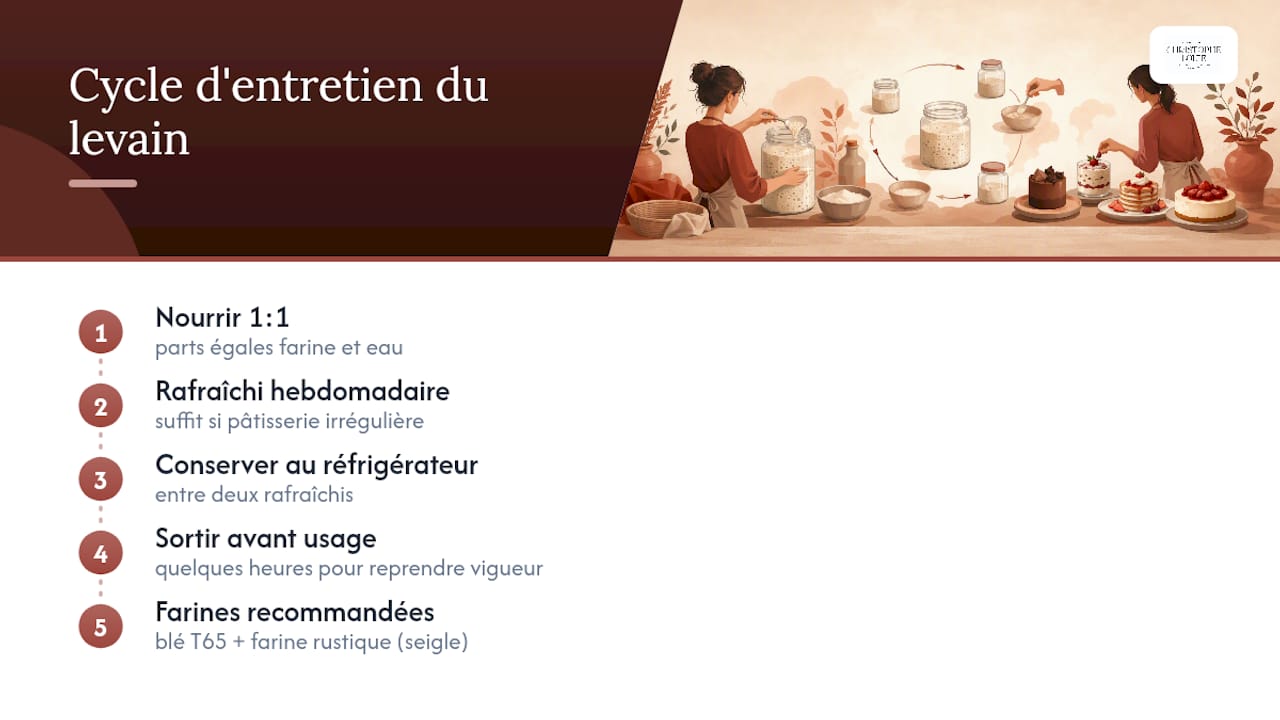
A sourdough intended for desserts does not need the same meticulous care as bread sourdough. The essential thing is to feed it regularly, with equal parts flour and water, to maintain sufficient activity without it becoming too acidic between two refreshes.
Keep it in the refrigerator if you don't bake every day: a weekly refresh is enough to keep it alive. Take it out a few hours before use so it regains a bit of vigor, without necessarily waiting for it to double in volume as you would for bread. For flours, a blend of T65 wheat and a more rustic flour (rye, einkorn) gives a more flavorful sourdough, which is reflected directly in the final taste of the dessert.
If your sourdough smells too much like acetone or vinegar, it's often a sign that it needs to be refreshed more often, or that it has spent too much time at room temperature. A balanced sourdough gives off a rather milky, slightly fruity odor, never aggressive. This is the type of sourdough that will provide the best result in a dessert, as the acidity remains present but discreet.
Food safety and proper storage of sourdough desserts
Natural sourdough, contrary to what one might think, presents no particular risk once baked: the baking eliminates fermentation activity and stabilizes the product like any other cake. The real point of vigilance is before baking, when storing the sourdough itself: keep it in a clean container, change the jar regularly, and throw it away if it develops pink or orange spots, which are signs of contamination.
Once the dessert is baked, classic storage rules apply. At room temperature, in an airtight container, count on 2 to 3 days for a molten cake or a moist loaf cake. Drier cakes, like some fruit loaf cakes, sometimes last a bit longer thanks to the natural acidity of the sourdough, which slightly slows the development of mold. For longer storage, freezing remains the best option, in individually wrapped airtight portions, to be consumed within two to three months.
What I learned from baking regularly with sourdough
Sourdough is not just a substitute for yeast: it is a full-fledged ingredient that changes the taste, not just the texture, as explained in this sourdough pizza calendar, which details quantities and refreshes. Many people hesitate to use it in baking for fear of failing the rise, whereas most sourdough desserts don't even need one.
My advice: start with the chocolate molten cake, which is the most error-tolerant, before embarking on a more technical loaf cake.
— Christophe
Want to enjoy sourdough without using the oven?
If the idea of managing sourdough at home tempts you less than that of enjoying it directly, Christophe Louie offers a range built entirely around live sourdough, from 72-hour panettone to brioches and travel cakes.
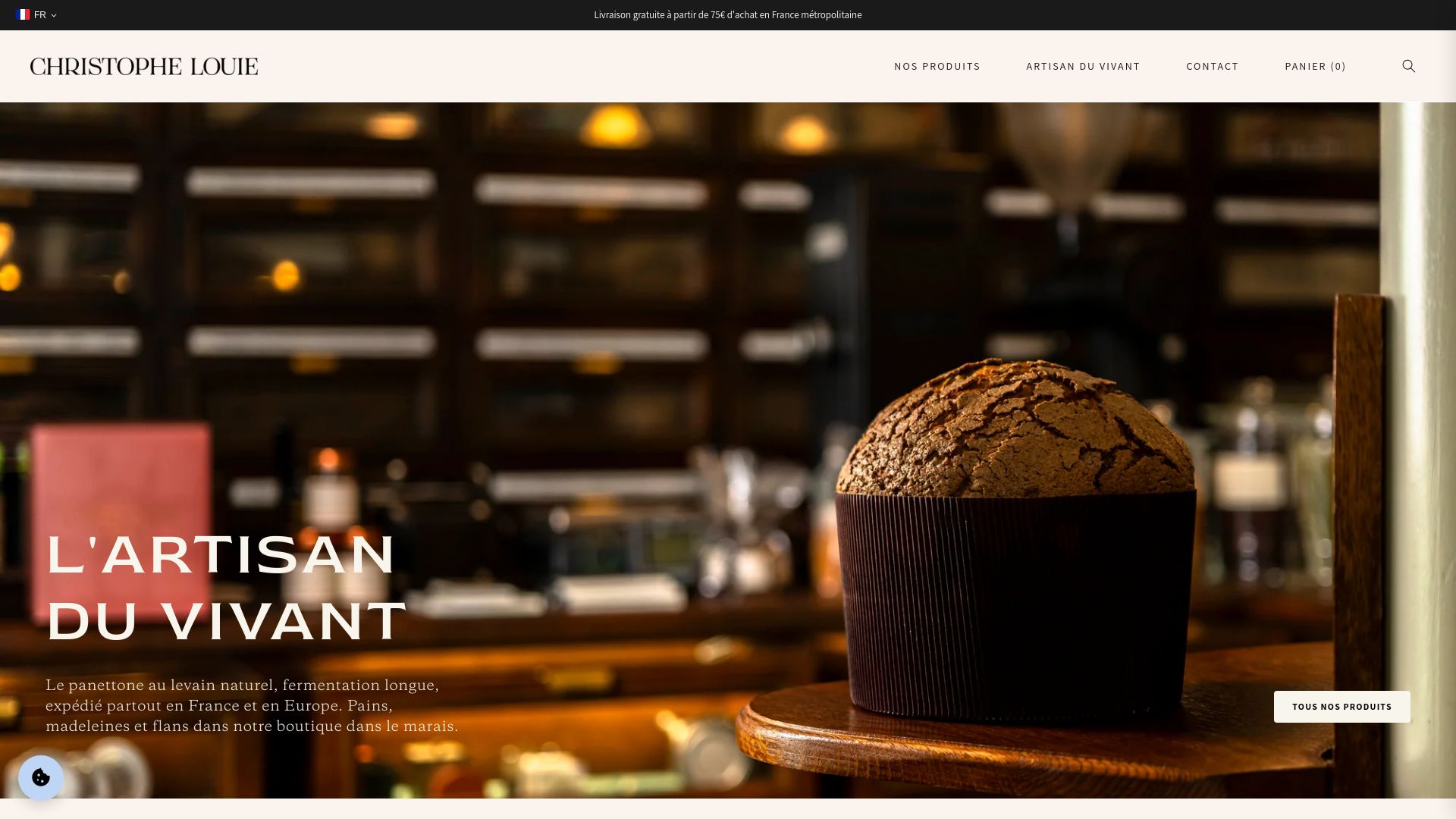
The orange blossom panettone illustrates well what sourdough brings when mastered over several days: a stringy crumb, complex aromas, and natural preservation that far exceeds that of a homemade cake. For a gourmet gift or a weekend pastry without preparation, the collection of travel cakes offers a ready-to-go alternative, thought out with the same level of expectation as the signature panettone. Discover the online boutique and order your panettone for the next occasion that arises.
Sources
- Natural sourdough (La danse des pains)
- How to use your sourdough surplus in baking (Owi Owi Fouette Moi)
- Sourdough chocolate molten cake (Quelques Grammes de Gourmandise)